
DEEPENING CONNECTION
Develop the emotional skills and self-understanding that make healthier, more honest relationships possible.Each course runs across 5–6 modules and is completed independently, at your own pace. Every module includes a workbook and short reflection, so the work goes beyond reading and actually becomes practice.
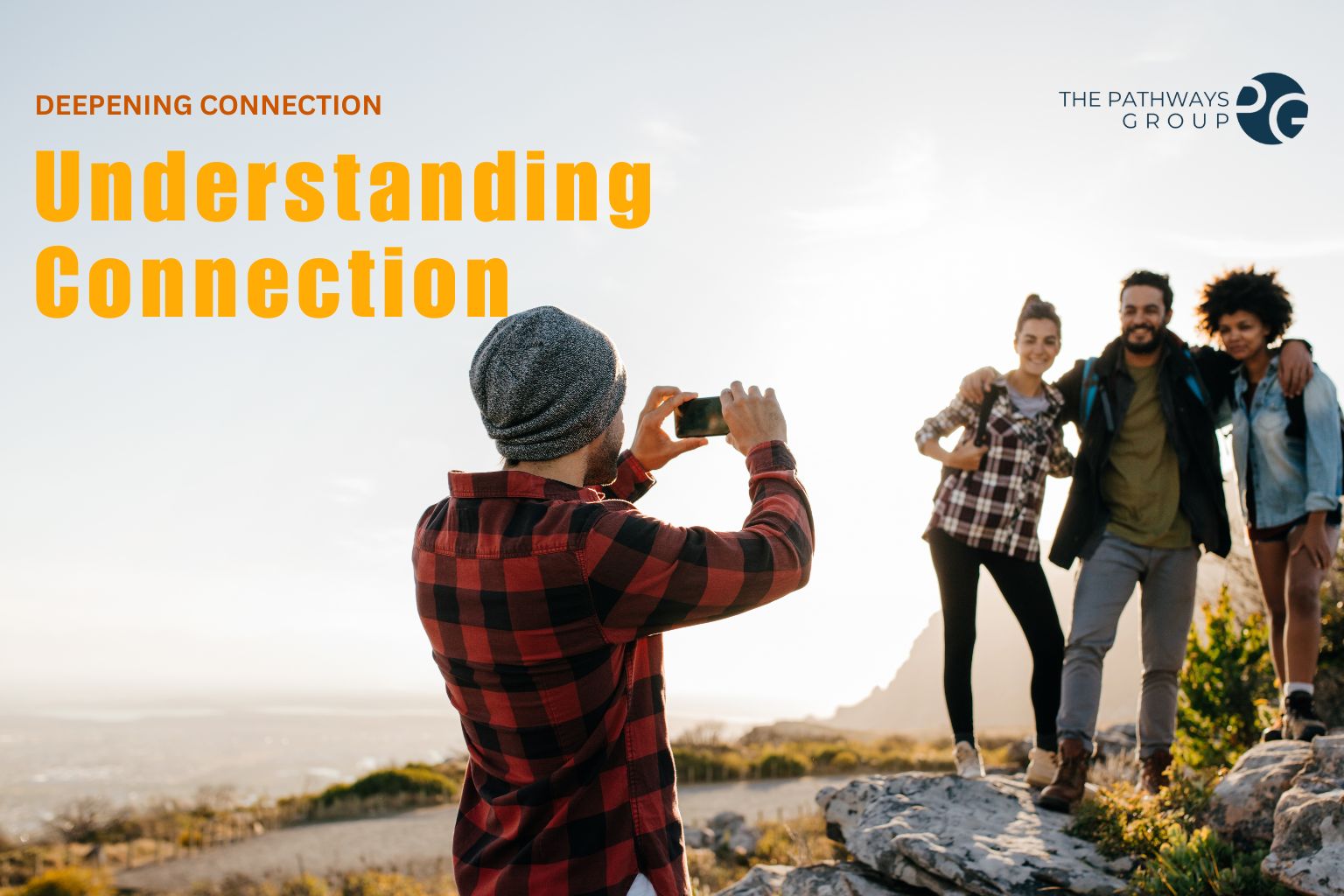
Understanding Connection
What connection really means, why it matters, and what strengthens or weakens our ability to connect.
Before we can create deeper relationships, we need to understand how we currently relate to people. This course would explore the patterns that create distance between ourselves and others, including emotional avoidance, fear of vulnerability, self-protection, people-pleasing and difficulty trusting.

Emotional Availability
Learning to be present, open and emotionally available.
Being emotionally available means having the capacity to remain present with ourselves and others, even when emotions are uncomfortable or difficult. It allows us to listen, respond, express what we feel and engage more fully in our relationships. This course explores what emotional availability looks like, why we sometimes protect ourselves by withdrawing or shutting down, and how past experiences and learned patterns can influence our capacity for emotional connection.
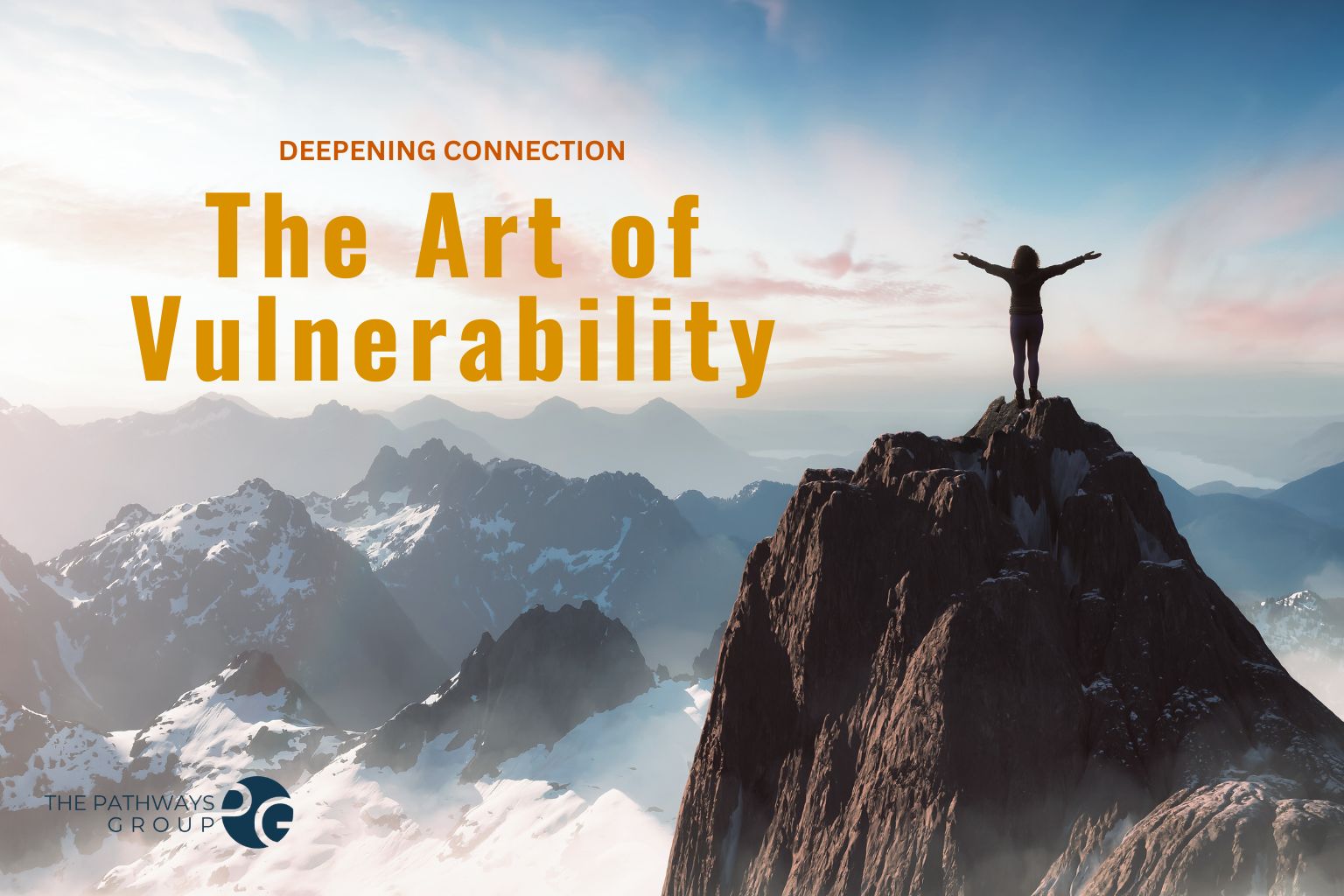
The Art of Vulnerability
Finding the courage to be seen, heard and real.
Vulnerability is often associated with weakness, but in reality it requires considerable self-awareness and courage. Allowing ourselves to be seen more honestly can deepen trust, strengthen relationships and create greater authenticity, yet it can also feel exposing or unsafe. This course explores what vulnerability really means, why we develop strategies to protect ourselves, and how those strategies can sometimes prevent the connection we want.
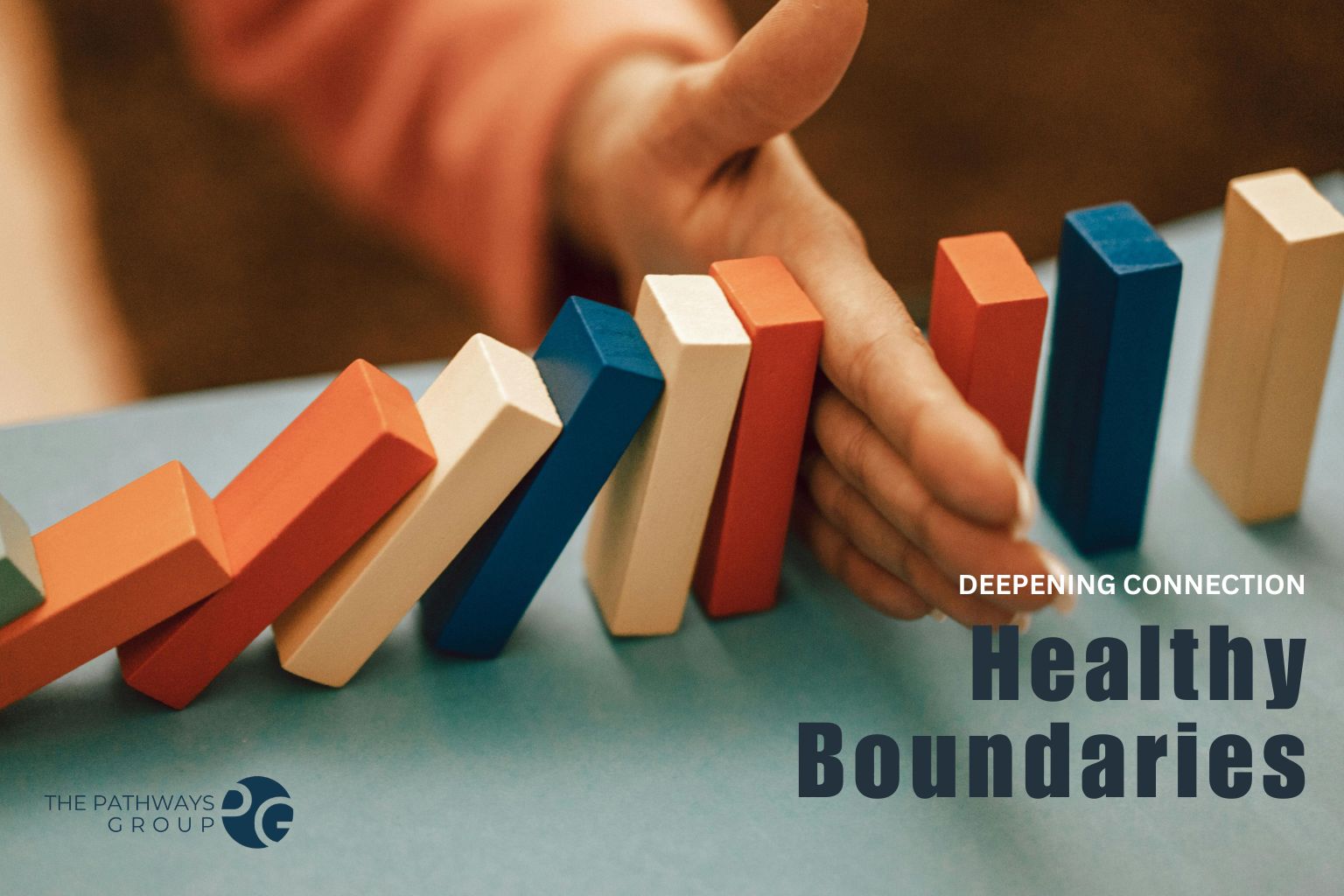
Healthy Boundaries
Creating connection without losing yourself.
Healthy relationships require both connection and individuality. Boundaries help us understand where our responsibility ends and another person's begins, while allowing us to communicate our needs, limits and expectations clearly. This course explores what healthy boundaries are, why setting them can feel difficult, and how patterns such as people-pleasing, avoidance or over-responsibility can affect our relationships.

Communicating What Matters
Finding the clarity and courage to say what needs to be said.
Communication is about far more than exchanging information. The way we express ourselves, listen to others and respond to difficult conversations has a direct impact on trust, collaboration and connection. This course explores the patterns that can make communication ineffective, including avoidance, defensiveness, assumptions and unspoken expectations.
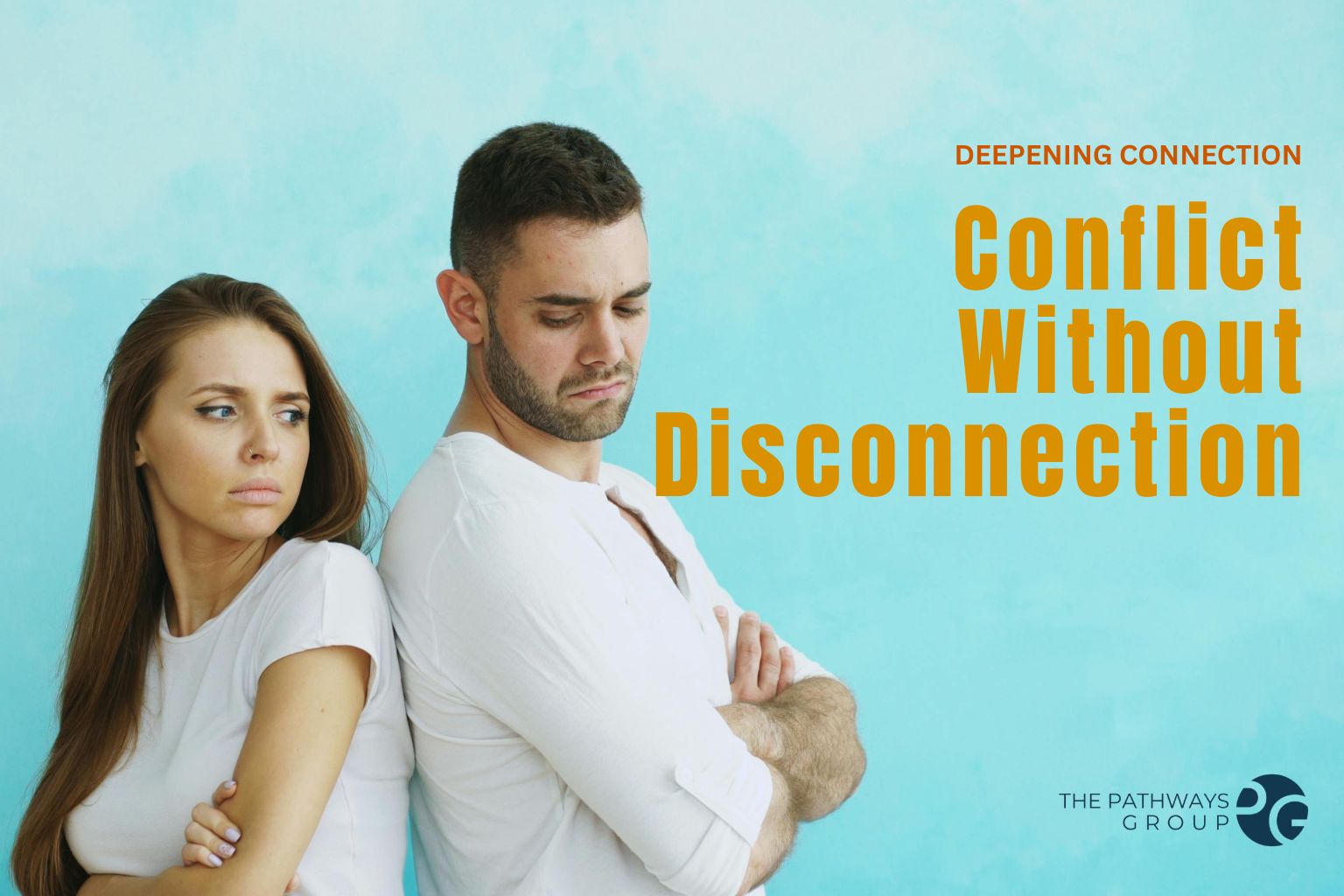
Conflict Without Disconnection
Learning to stay connected when things become difficult.
Conflict is an inevitable part of human relationships, but disagreement does not have to result in disconnection. When we feel threatened, misunderstood or criticised, we can quickly become defensive, reactive or withdrawn, making it harder to resolve what is actually happening. This course explores the dynamics of conflict and the ways our emotional responses can influence how we behave.
Trust and Intimacy
Creating the safety that allows deeper connection to grow.
Trust provides the foundation on which meaningful relationships are built. It develops through consistency, honesty, reliability, openness and the experience of being treated with respect and care. This course explores how trust is created, what causes it to weaken and what happens when trust has been damaged. Develop a deeper understanding of the behaviours that help people feel safe enough to communicate openly, take appropriate risks and build stronger connections.

Giving and Receiving
Learning that connection is a two-way experience.
Many people find it easier to give than to receive. We may readily offer our time, care, support and attention while feeling uncomfortable when someone wants to offer the same to us. Yet healthy connection requires reciprocity — the ability to both contribute and allow ourselves to be supported. This course explores why receiving can feel vulnerable, uncomfortable or even threatening, and how our beliefs about independence, worth and responsibility can influence this pattern.
Patterns of Connection
Understanding why we connect the way we do.
The relationships we create are often influenced by patterns we have learned long before we are consciously aware of them. The ways we communicate, respond to closeness, handle conflict, seek approval or protect ourselves can all shape how we connect with others. This course explores the patterns that influence our relationships, including learned behaviours, expectations, familiarity and emotional responses.